






August 18, 2023
When selecting a dumpster or bin, one of the most important specifications to understand is the steel gauge used for the walls and floors. Gauge refers to the thickness of the steel used in construction. In steel measurement, the lower the gauge number, the thicker and stronger the steel.
For dumpsters commonly used in construction and waste hauling:
- 7 gauge steel is approximately 3/16" thick
- 8 gauge steel is approximately 5/32" thick
- 10 gauge steel is approximately 1/8" thick
In many dumpsters, the floor is built with thicker steel than the walls. This is because the floor experiences the most wear from heavy debris, scraping, and concentrated weight. Using thicker steel on the floor helps extend the lifespan of the dumpster while keeping the overall weight manageable.
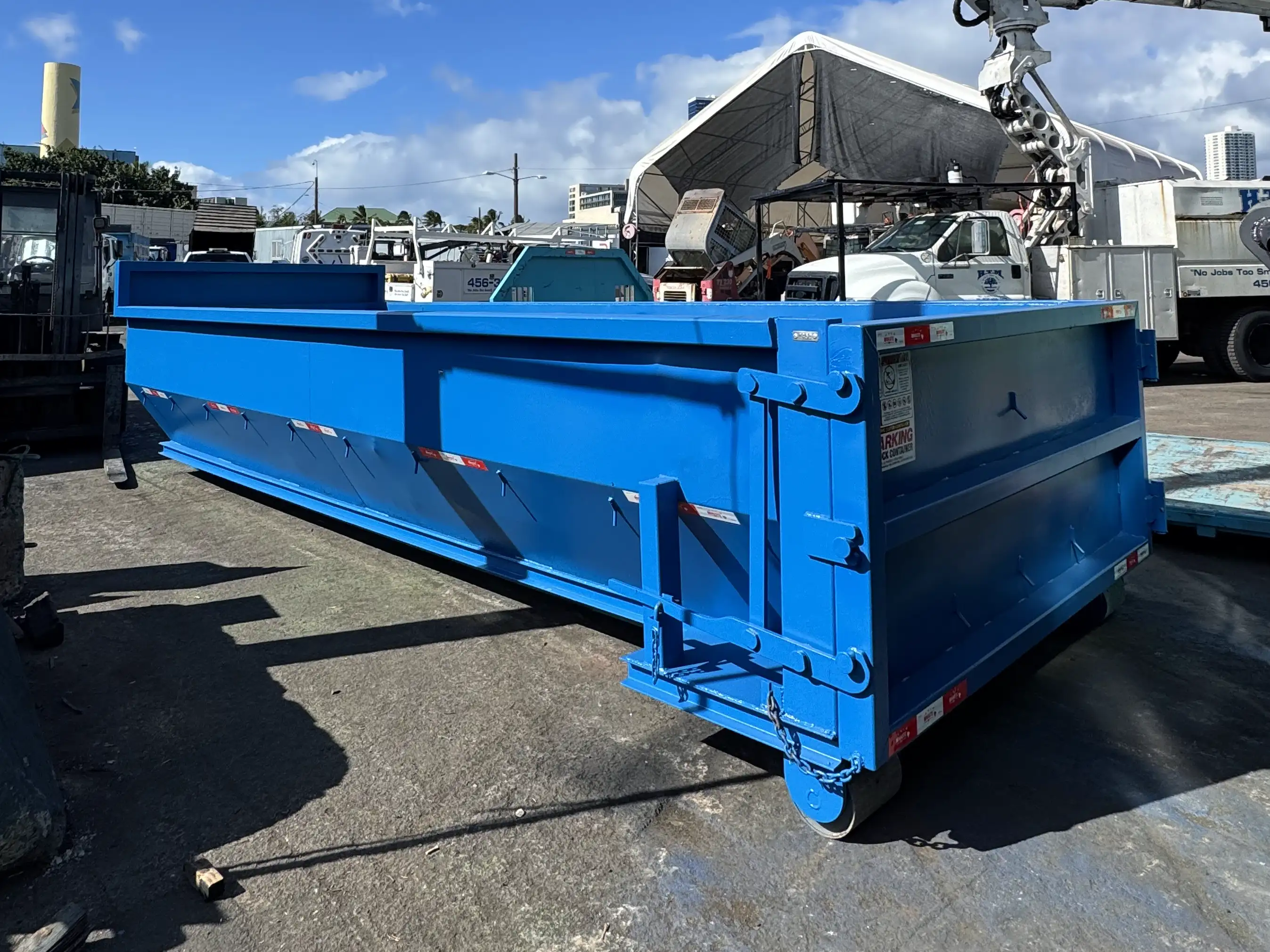
7 Gauge Floors for Maximum Strength
Many heavy-duty dumpsters use 7 gauge steel floors (approximately 3/16") to handle dense materials and repeated heavy loads.
This thicker steel helps resist:
- Impact from dropped debris
- Wear from loaders and equipment
- Concentrated weight from materials like concrete or scrap metal
Dumpsters with 7 gauge floors are often used for demanding applications where durability is critical.
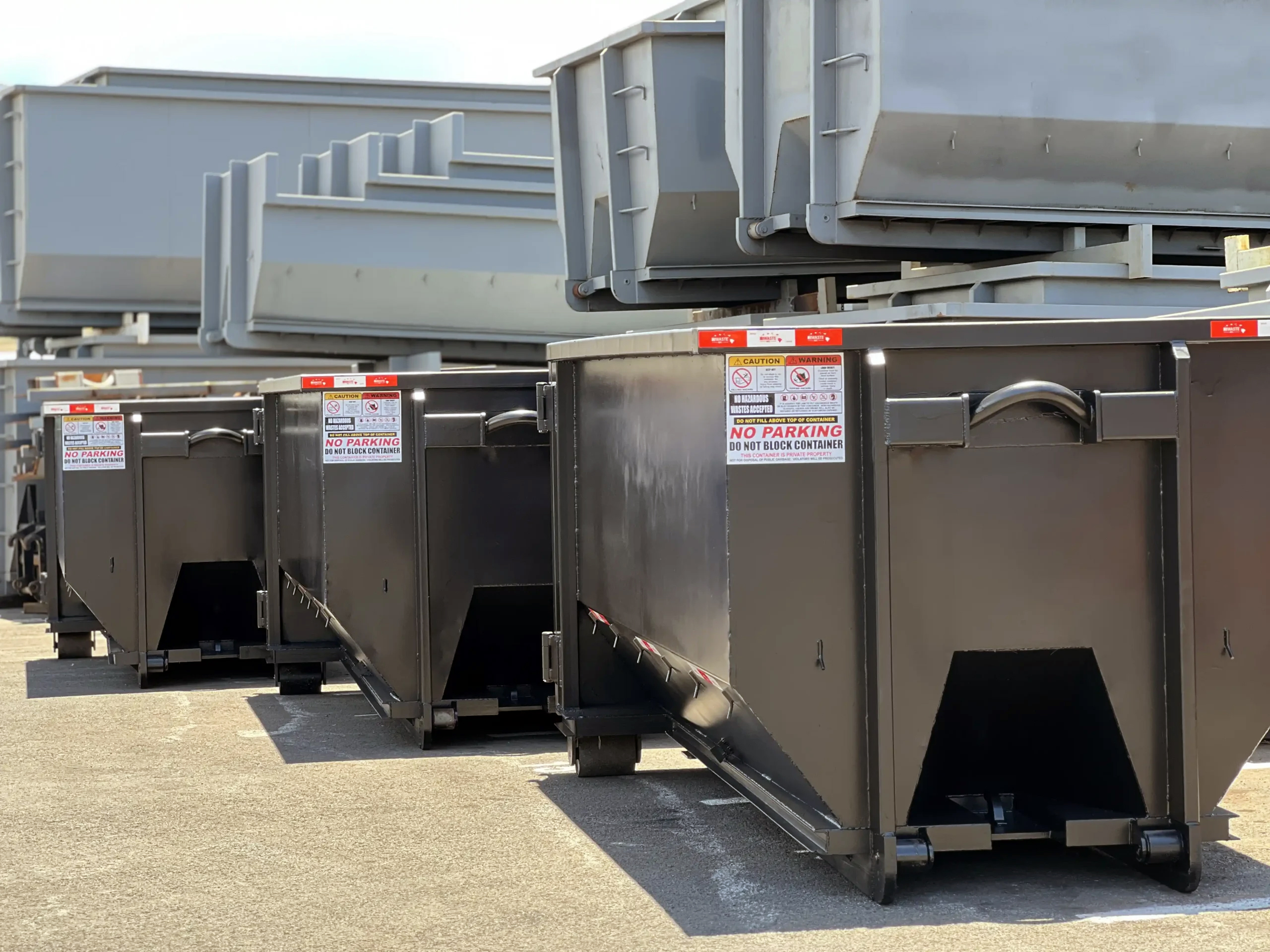
8 Gauge Walls for Structural Durability
The walls of a dumpster typically do not experience the same concentrated loads as the floor. For this reason, many dumpsters use 8 gauge steel walls (approximately 5/32").
This provides strong structural support while helping reduce overall container weight.
Common materials hauled in dumpsters with 8 gauge walls include:
- General construction debris
- Roofing materials
- Renovation waste
- Mixed commercial waste
This combination of 7 gauge floors and 8 gauge walls is a common configuration that balances durability and practicality.
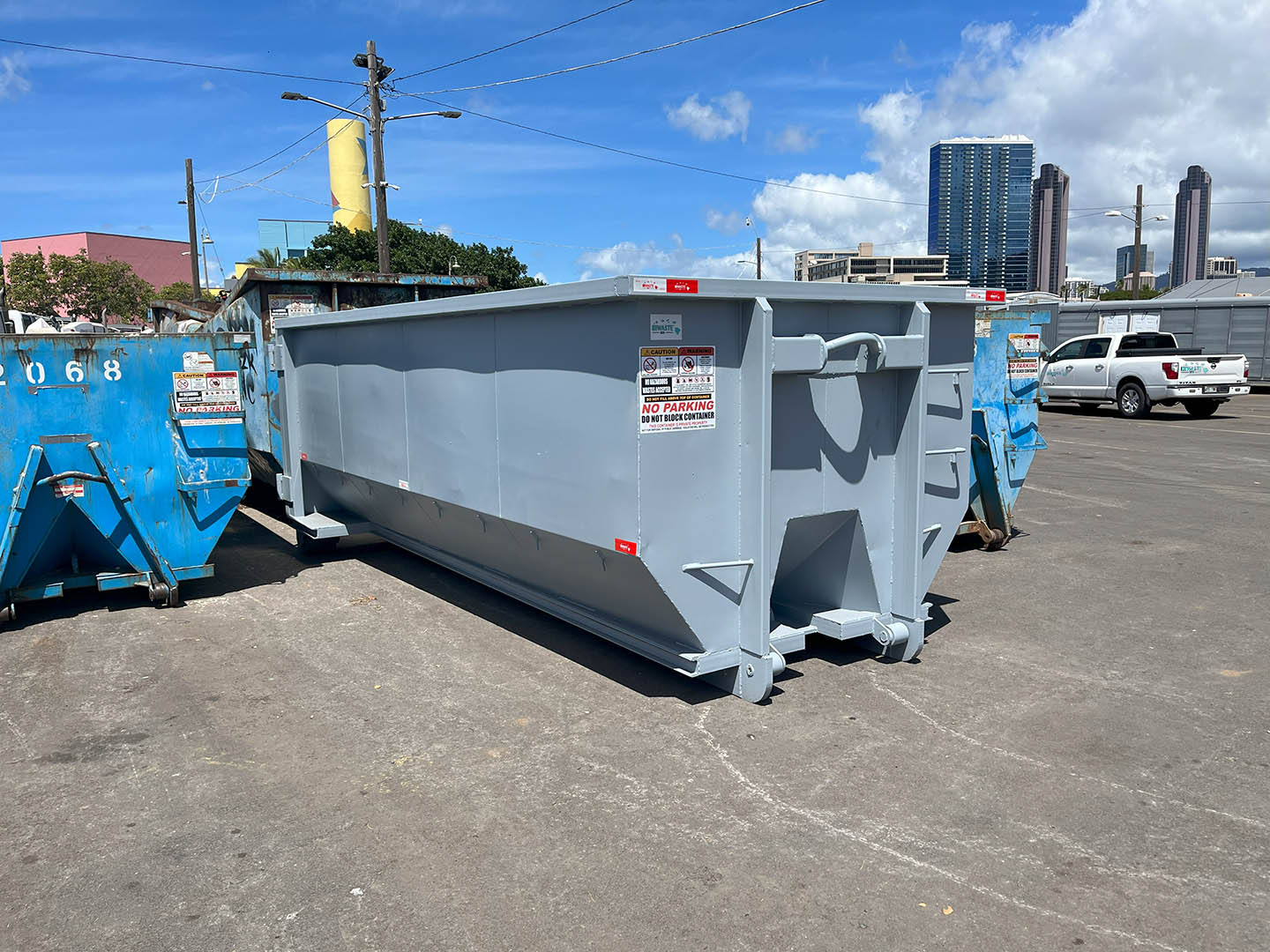
10 Gauge Steel for Lighter Applications
Some dumpsters are built using 10 gauge steel (approximately 1/8"), especially when the intended use involves lighter materials.
Typical uses include:
- Household cleanouts
- Landscaping debris
- Packaging and general trash
- Light commercial waste
While 10 gauge dumpsters are lighter and easier to handle, they are generally not ideal for extremely heavy debris.
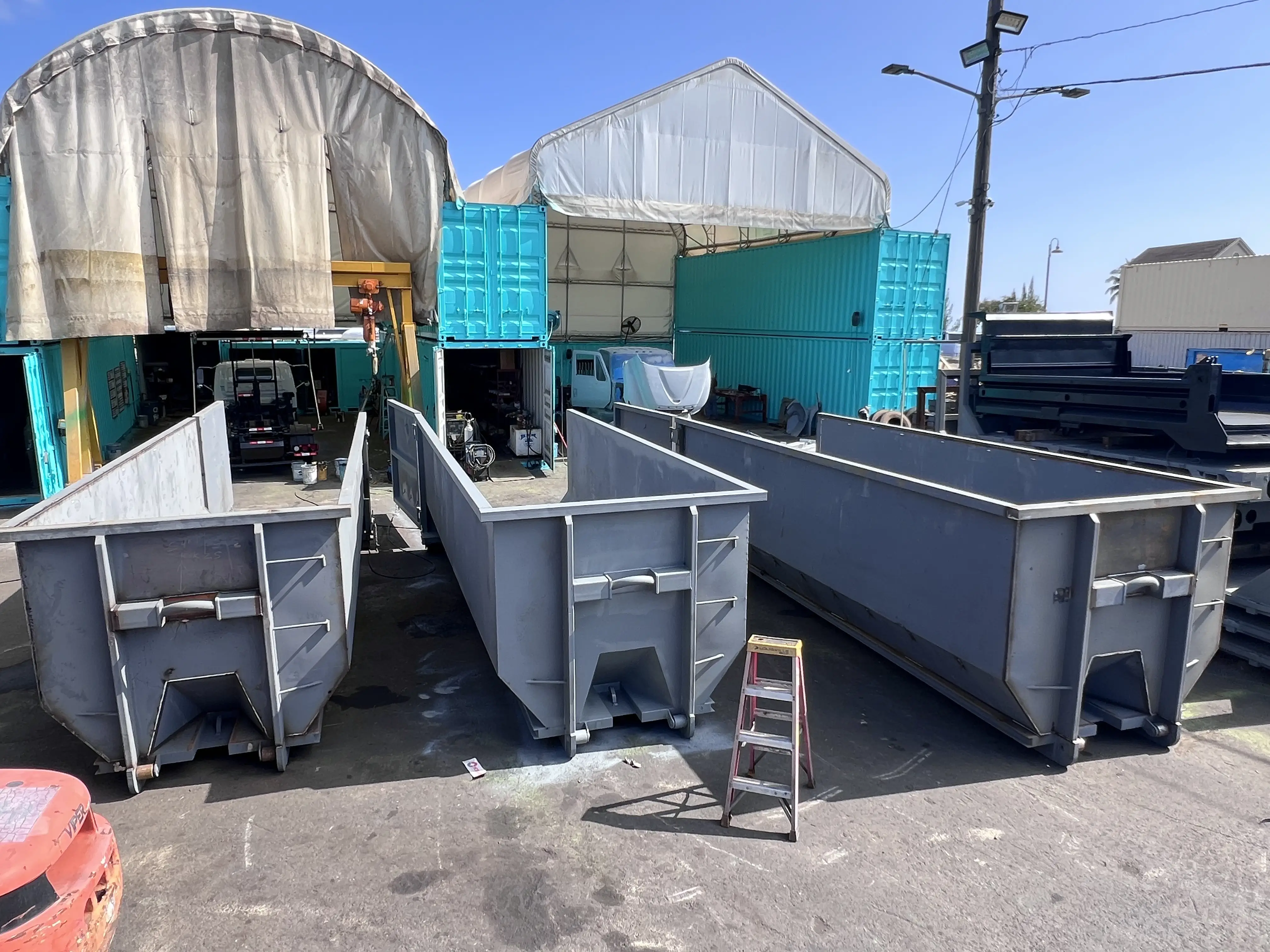
Why Floor Thickness Matters Most
The floor of a dumpster takes the most punishment. Heavy debris is dropped directly into the container, and loaders or equipment may scrape across the surface during loading.
Using thicker steel on the floor helps:
- Prevent premature wear
- Reduce dents and structural damage
- Extend the life of the dumpster
That’s why many heavy-duty dumpsters are built with thicker floors than walls.

Choosing the Right Dumpster Construction
When evaluating dumpsters or bins, it’s important to consider how the container is built, not just the size.
Look for specifications such as:
- Floor gauge
- Wall gauge
- Reinforcement and structural supports
- Intended use for the dumpster
Selecting the right construction ensures the dumpster will perform well for the type of materials you plan to haul.
Built for Durability and Performance
Understanding the difference between 7, 8, and 10 gauge steel helps you select dumpsters that match the demands of your operation. Thicker floors provide the strength needed for heavy debris, while properly designed walls maintain the structure of the bin.
If you’re unsure which dumpster or bin configuration is right for your operation, click the buttons below to get in contact with us or send us a message, and our team can help you determine the best option.
























%20copy.avif)