





October 20, 2023
Roll-off dumpsters and hooklift bins are commonly used across construction sites, cleanouts, and waste hauling operations because they provide a convenient way to manage large volumes of debris. However, loading dumpsters improperly can create safety risks, transportation issues, and unnecessary damage to equipment.
Understanding a few basic safety guidelines helps ensure dumpsters are loaded correctly while protecting workers and maintaining efficient operations.
Below are several important do’s and don’ts to keep in mind when loading your own roll-off or hooklift dumpster.
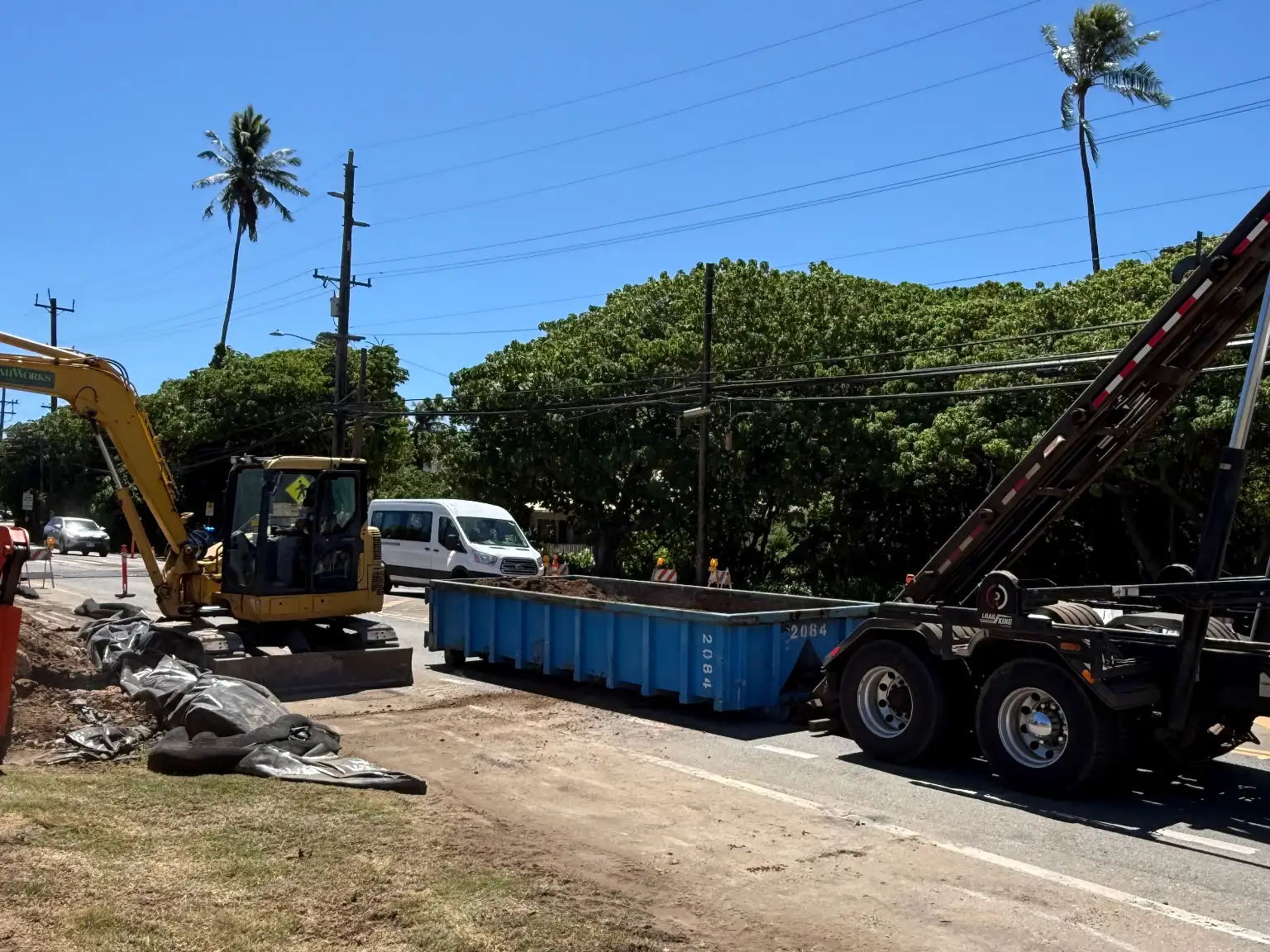
Do: Distribute Weight Evenly
Proper weight distribution is one of the most important factors when loading a dumpster. Heavy materials such as concrete, metal, or demolition debris should be spread across the floor of the bin rather than concentrated in one area.
Balanced loads help:
- Prevent tipping or shifting during transport
- Reduce structural stress on the dumpster
- Make it easier for roll-off or hooklift trucks to lift the container safely
Evenly distributed loads also help extend the life of the dumpster by preventing unnecessary strain on the structure.

Do: Start With Larger Materials First
Loading larger items first helps create a stable base layer inside the dumpster. Materials such as furniture, large debris, or demolition waste should be placed at the bottom of the bin.
Once the base layer is established, smaller debris can be used to fill the remaining spaces. This approach helps maximize the capacity of the dumpster while keeping the load organized.
Efficient loading practices allow businesses to move more material per haul and reduce unnecessary trips.
Do: Monitor the Weight of Dense Materials
Certain materials can become extremely heavy even in small quantities. Concrete, dirt, asphalt, and metal debris can quickly push a dumpster beyond safe weight limits.
When loading dense materials:
- Avoid filling the dumpster completely with heavy debris
- Spread heavy materials across the floor of the bin
- Consider using a smaller load size when necessary
Monitoring weight helps ensure the dumpster can be safely transported and prevents damage to hauling equipment.
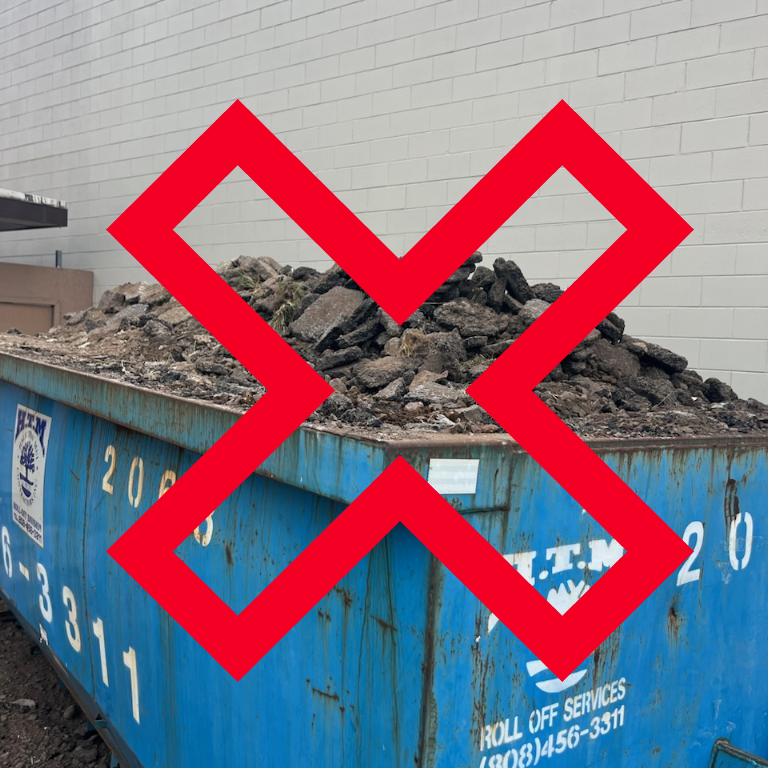
Don’t: Overfill the Dumpster
One of the most common mistakes when loading dumpsters is filling them above the top rail. Debris should remain level with or below the top edge of the dumpster.
Overfilled dumpsters can:
- Create safety hazards during transport
- Cause debris to fall from the container
- Delay pickup if the load cannot be safely hauled
Keeping the load level helps ensure smooth and safe transportation.
Don’t: Load Hazardous or Prohibited Materials
Certain materials should not be placed in standard dumpsters. Items such as chemicals, paints, batteries, and certain electronic waste often require specialized disposal.
Before loading unusual materials into a dumpster, it is important to confirm whether they are allowed at the disposal facility.
Proper separation of hazardous materials helps prevent environmental risks and disposal issues.
Don’t: Concentrate Heavy Debris in One Area
Placing all heavy debris in one corner of the dumpster can cause the load to shift when the container is lifted. Uneven weight distribution may also put excessive stress on certain parts of the bin.
Instead, heavy debris should be spread across the floor of the dumpster to maintain stability and protect the structural integrity of the container.
Safe Loading Improves Efficiency
Roll-off dumpsters and hooklift bins make debris removal easier, but safe loading practices are essential for maintaining efficient operations. By distributing weight properly, starting with larger materials, monitoring heavy debris, and avoiding overfilling, businesses can ensure dumpsters are used safely and effectively.
If you're looking for roll-off dumpsters or hooklift bins built for heavy-duty use, click the buttons below to get in contact with us or send us a message, and our team can help you find the right solution.



















%20copy.avif)